
The Business Unit that connects and manages mobility systems
From ground-to-vehicle communications to special station systems, Gematica integrates networks, equipment and technology platforms into reliable, interoperable infrastructure. An end-to-end approach that supports the project from design and commissioning through to entry into service and operational support.
Ground-to-Vehicle System

Gematica designs and implements systems that enable ground-to-vehicle communication. These form a complex network architecture that provides a communication channel for the secure, reliable and fast exchange of data.
In more complex environments, such as railways, the system consists of a wireless communication network between trackside and onboard equipment, and a wired communication network connecting stations and trackside locations.
These infrastructures therefore comprise a complex combination of network equipment and RF wireless components, all protected by a robust security system.
DCS – Data Communication System
Among the ground-to-vehicle solutions provided by Gematica, the most significant and innovative is the Data Communication System (DCS) for the railway signalling system known as Communications-Based Train Control (CBTC) for driverless trains.
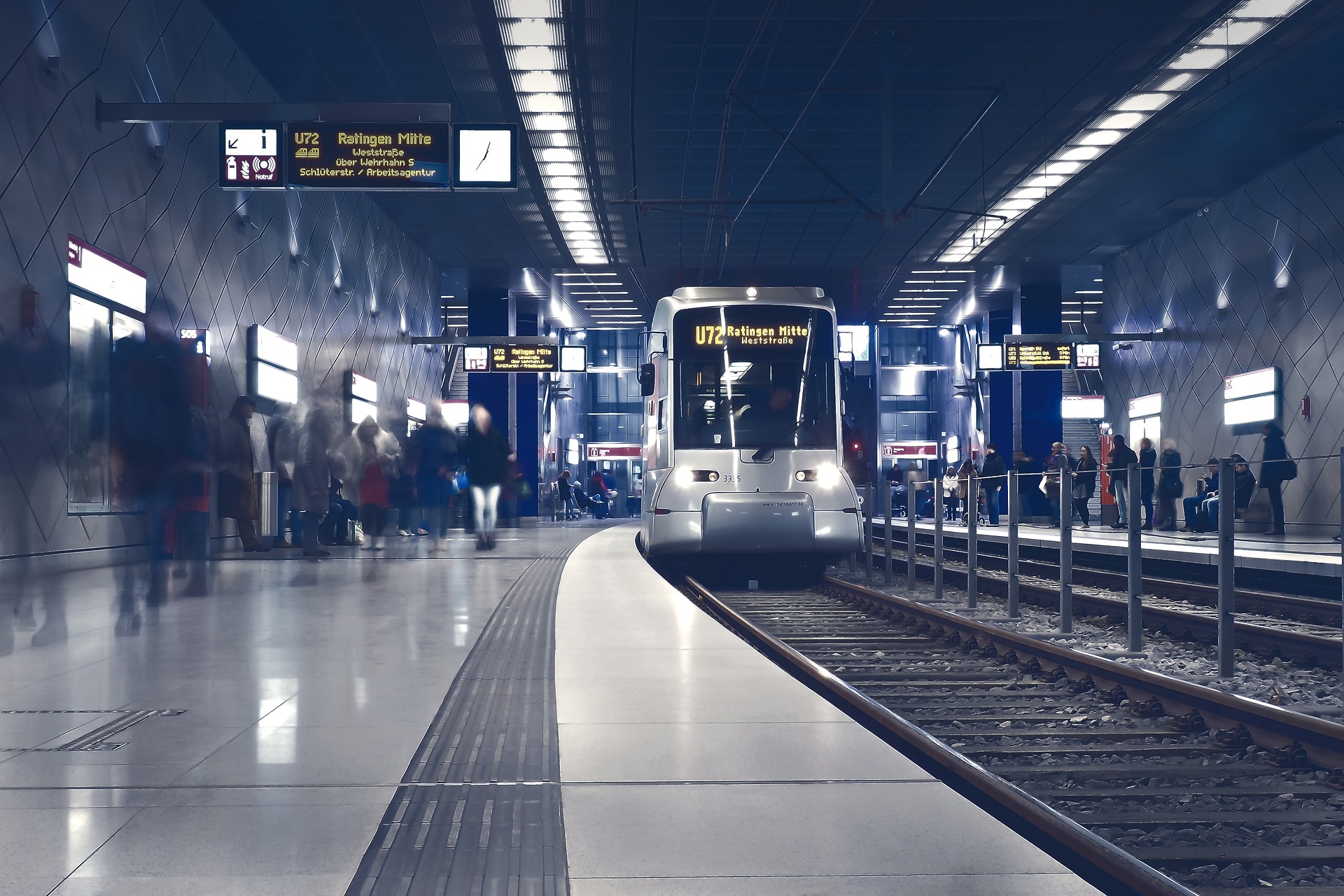
A continuous, automatic train control system enabled by an integrated architecture comprising a wired backbone, a ground-to-train wireless network and an onboard vehicle network. Gematica’s solutions enable robust, uninterrupted communications even at the highest levels of automation, known as Unattended Train Operation (UTO).
The CBTC solution provides:
Onboard Vehicle Network
Based on the client’s specific requirements, Gematica designs and implements a high-bandwidth Ethernet network onboard the train or vehicle, integrating all train or vehicle services while ensuring security, segregation, high reliability and availability.

The onboard network interconnects all the devices that make up the various subsystems, including:
Smart Station
Stations are complex environments that require extensive management and coordination to keep them functional and safe. In this context, the deployment of ITS (Intelligent Transport Systems) technologies inside and outside the station, together with a centralised monitoring and control platform, enables safer, more coordinated and smarter use of transport networks.
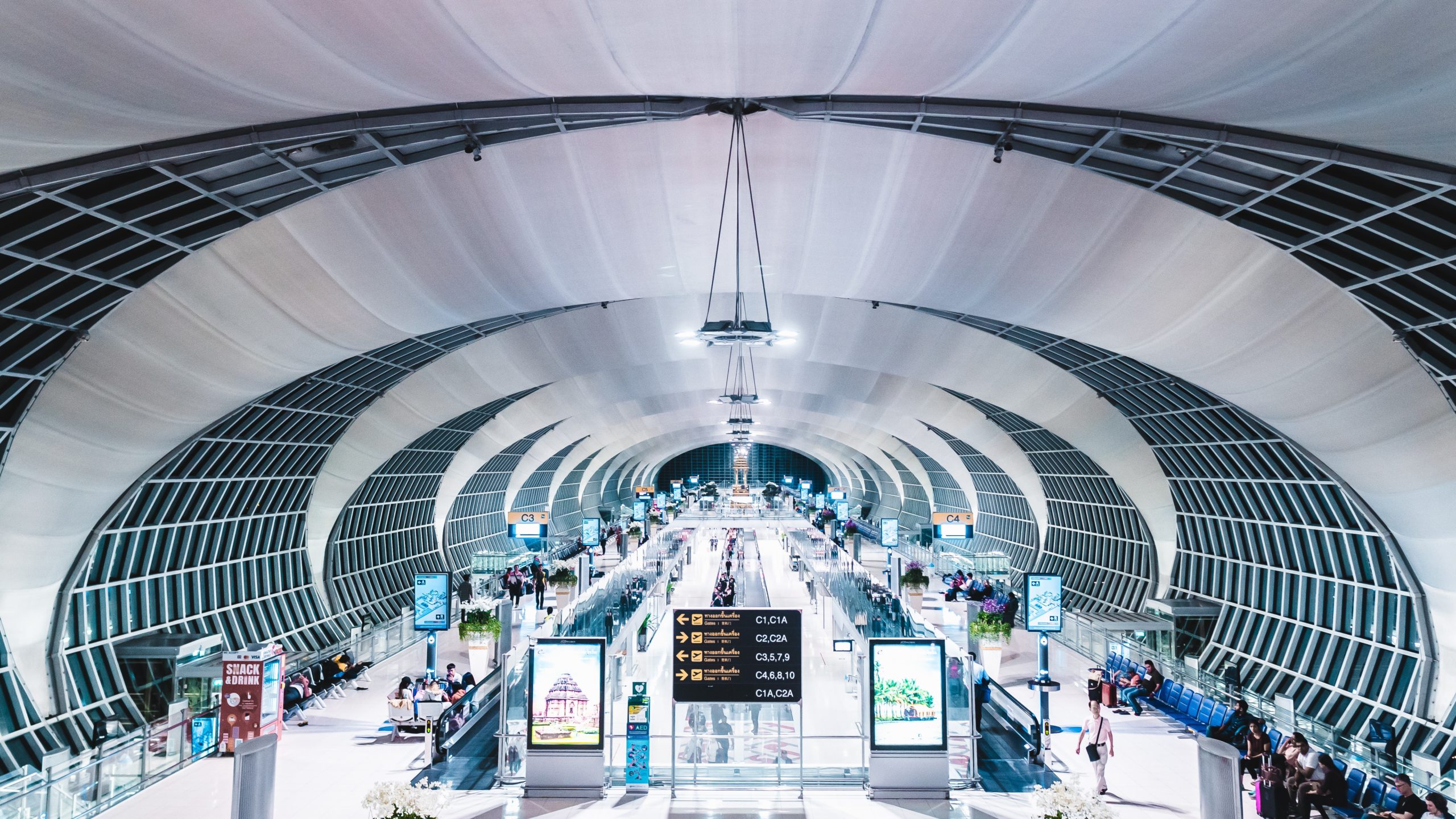
Gematica has developed a Smart Station solution in which the station is interconnected with all its subsystems and can be managed from a single Control Centre. For example, as in road and rail transport, independent systems such as access gates, e-ticketing, passenger information, surveillance and security, and depot management have been centralised, enabling integrated and coordinated management of the entire ecosystem.
Specifically, through data correlation and analysis, the proposed solution uses machine learning technologies to enable predictive and corrective asset maintenance, improve control, safety and service quality at stations, optimise staffing, reduce fare evasion and minimise environmental impact through efficient energy management.
Applicable to both road and rail transport systems, this solution provides users with a safer, more convenient mobility experience, supported by an expanded range of services. It also enables transport managers and operators to manage and control the system more efficiently, with a focus on environmental and economic sustainability.
Railway experience as a laboratory for innovation

Gematica has developed its model by working on fully automated railway and metro systems characterised by:
“Railways are the environment in which Gematica has
developed its method, rather than the limit of its market.”